Understanding the Roof Replacement Process
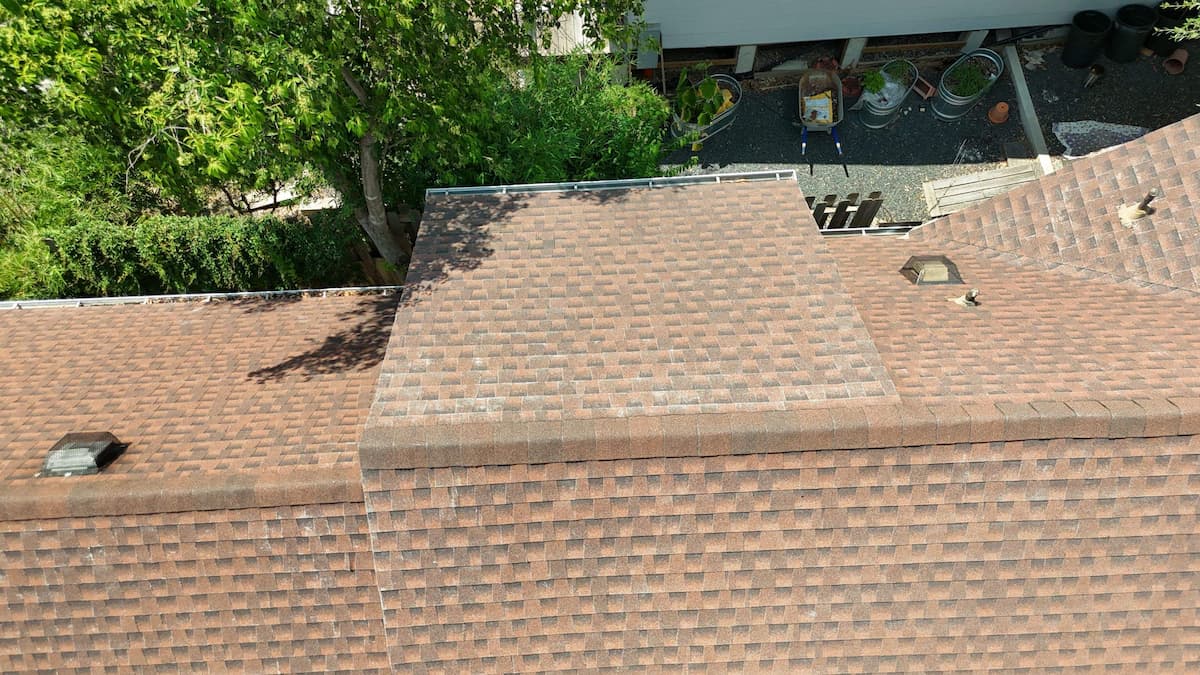
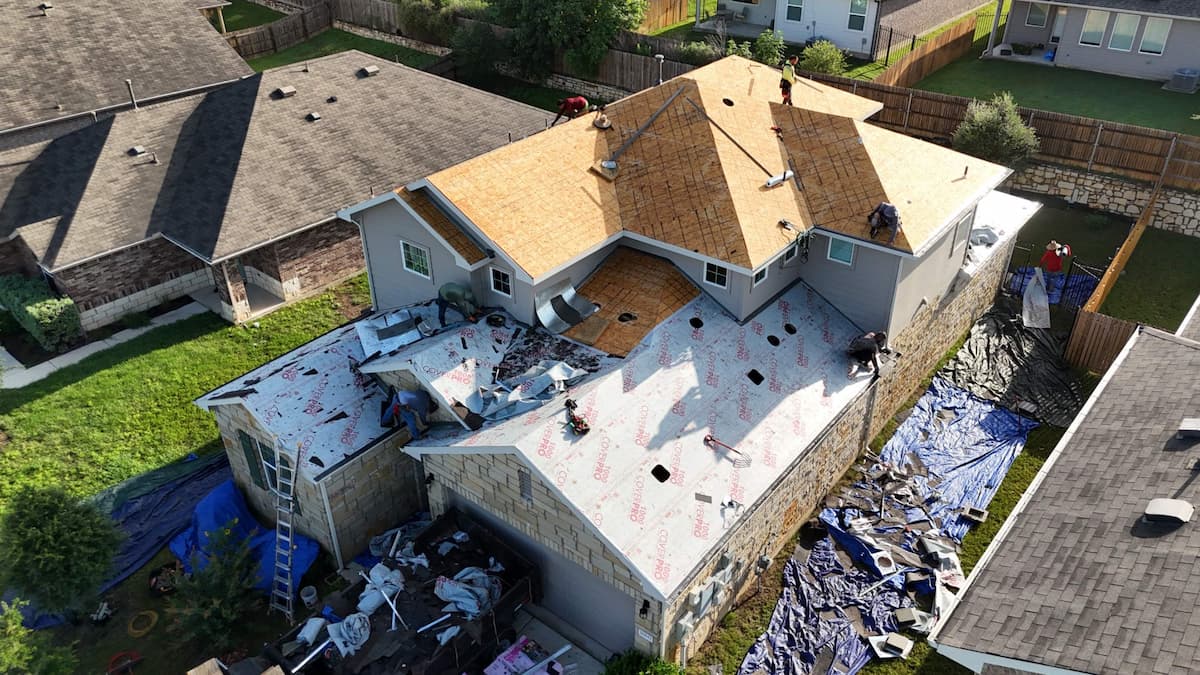
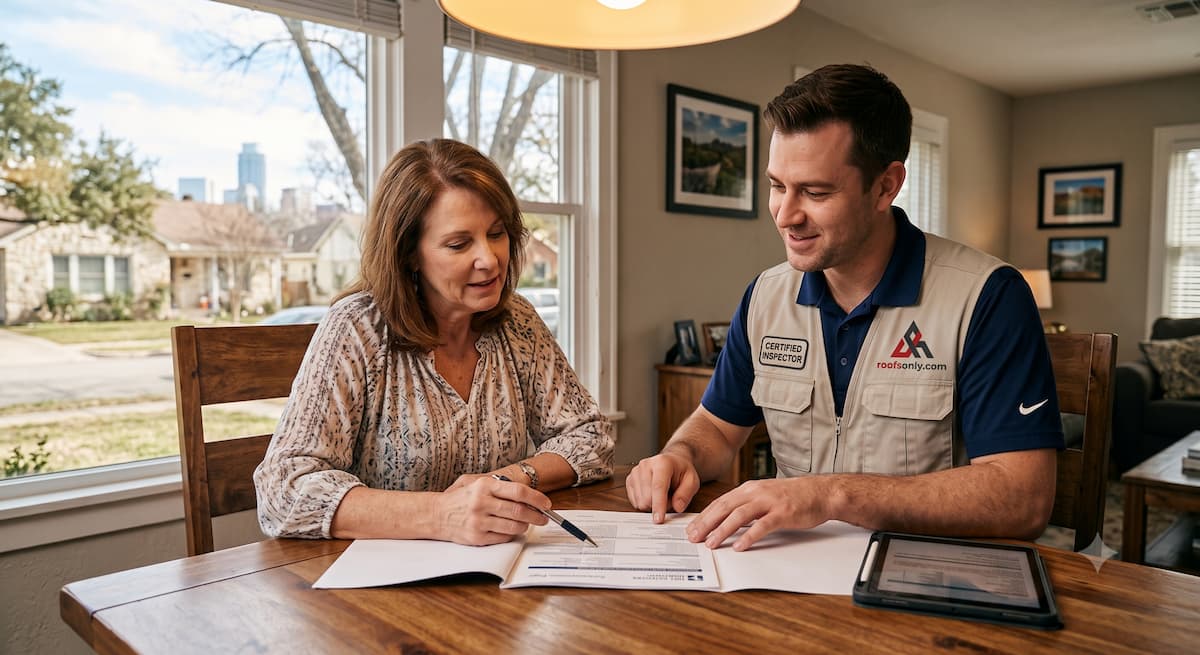
The roof replacement process can seem daunting for homeowners, but understanding the steps involved can alleviate much of the stress. Typically, the process begins with a thorough inspection of the existing roof, followed by the removal of old materials, and finally the installation of new roofing systems tailored to the specific needs of the home.
During the inspection phase, professionals assess the roof's condition and identify any underlying issues that may need addressing. Homeowners can expect a timeline for the project, which can vary based on the size of the roof and the materials chosen, ensuring they are well-prepared for the upcoming changes.
Choosing the Right Roofing Material
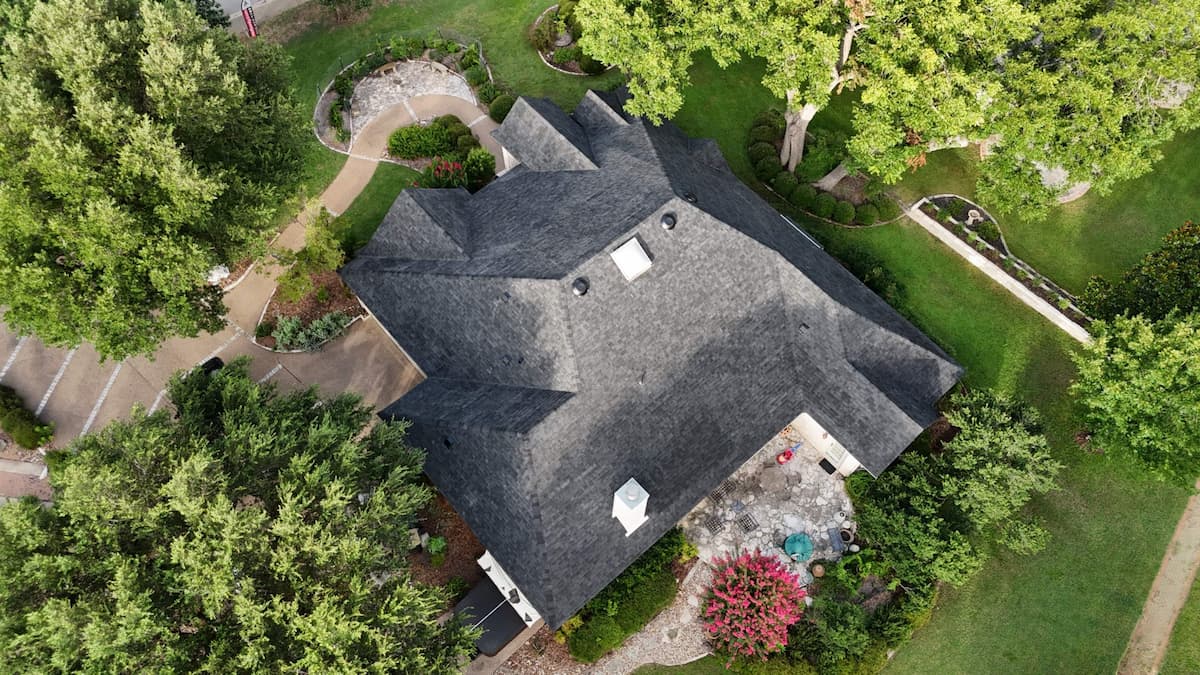
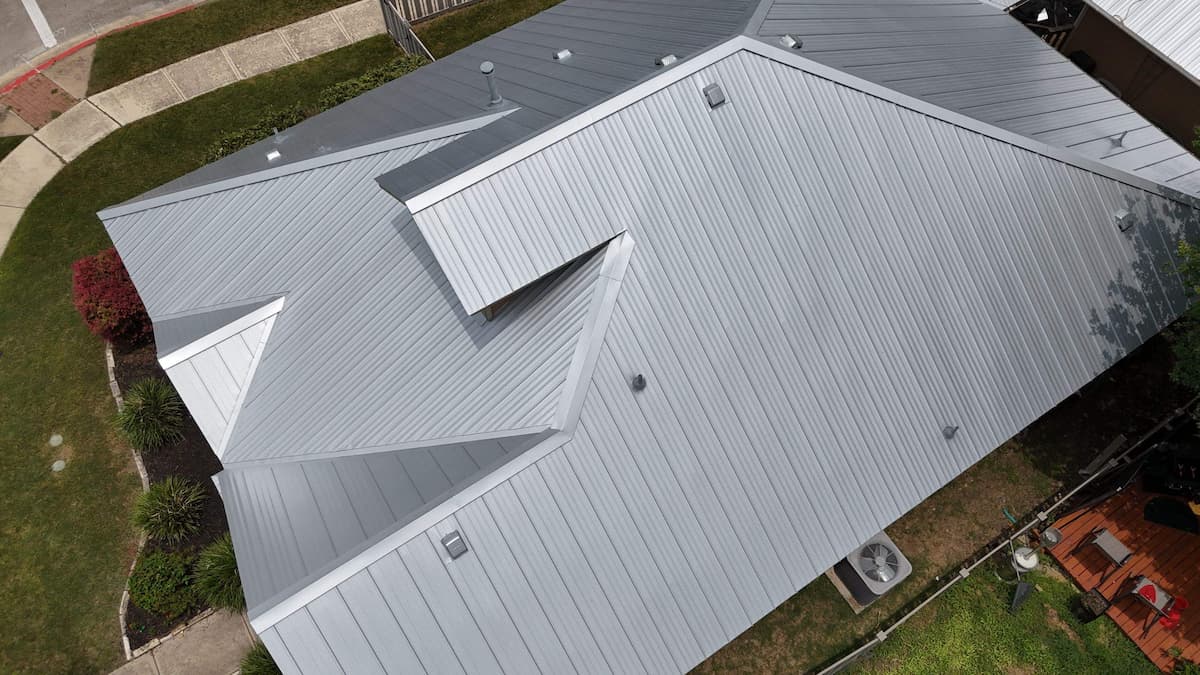
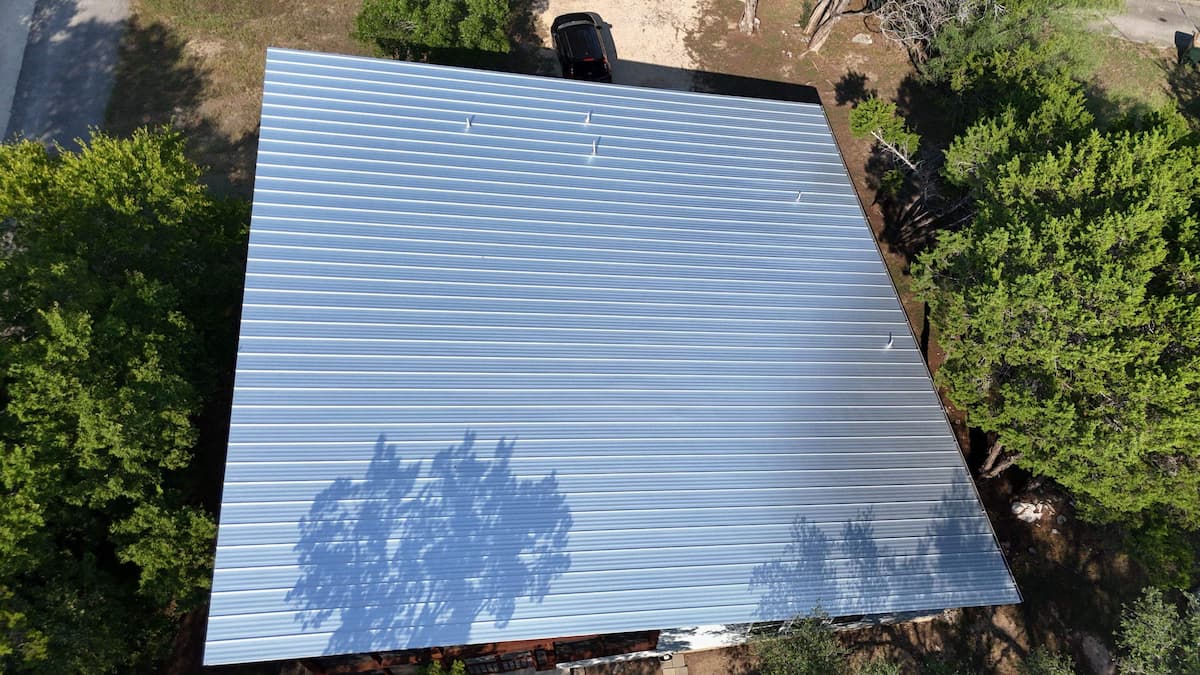
Selecting the appropriate roofing material is crucial for both aesthetic appeal and functional longevity. Various options are available, including asphalt shingles, metal roofing, and tile, each offering distinct benefits and drawbacks that homeowners should consider based on their specific needs and local climate.
For instance, asphalt shingles are popular due to their affordability and ease of installation, while metal roofs are known for their durability and energy efficiency. Homeowners should also factor in the long-term maintenance requirements and warranty options associated with each material to make an informed decision.
Common Roof Replacement Mistakes to Avoid
Many homeowners make common mistakes during the roof replacement process that can lead to increased costs and complications. One of the most significant errors is failing to hire qualified professionals, which can result in poor workmanship and materials that do not meet local building codes.
Additionally, neglecting to obtain the necessary permits or overlooking the importance of proper ventilation can lead to future issues such as mold growth and structural damage. By being aware of these pitfalls, homeowners can ensure a smoother and more successful roof replacement experience.
Post-Replacement Care and Maintenance
Once a roof replacement is complete, ongoing care and maintenance are essential to prolong its lifespan and maintain its appearance. Homeowners should regularly inspect their roofs for signs of damage, such as missing shingles or leaks, and address any issues promptly to prevent further deterioration.
Routine maintenance tasks, such as cleaning gutters and removing debris, can also help prevent water damage and extend the life of the roofing materials. Additionally, scheduling periodic professional inspections can provide peace of mind and catch potential problems before they escalate.
Understanding the Roof Replacement Process
The roof replacement process can seem daunting for homeowners, but understanding the steps involved can alleviate much of the stress. Typically, the process begins with a thorough inspection of the existing roof, followed by the removal of old materials, and finally the installation of new roofing systems tailored to the specific needs of the home.
During the inspection phase, professionals assess the roof's condition and identify any underlying issues that may need addressing. Homeowners can expect a timeline for the project, which can vary based on the size of the roof and the materials chosen, ensuring they are well-prepared for the upcoming changes.
Choosing the Right Roofing Material
Selecting the appropriate roofing material is crucial for both aesthetic appeal and functional longevity. Various options are available, including asphalt shingles, metal roofing, and tile, each offering distinct benefits and drawbacks that homeowners should consider based on their specific needs and local climate.
For instance, asphalt shingles are popular due to their affordability and ease of installation, while metal roofs are known for their durability and energy efficiency. Homeowners should also factor in the long-term maintenance requirements and warranty options associated with each material to make an informed decision.
Common Roof Replacement Mistakes to Avoid
Many homeowners make common mistakes during the roof replacement process that can lead to increased costs and complications. One of the most significant errors is failing to hire qualified professionals, which can result in poor workmanship and materials that do not meet local building codes.
Additionally, neglecting to obtain the necessary permits or overlooking the importance of proper ventilation can lead to future issues such as mold growth and structural damage. By being aware of these pitfalls, homeowners can ensure a smoother and more successful roof replacement experience.
Post-Replacement Care and Maintenance
Once a roof replacement is complete, ongoing care and maintenance are essential to prolong its lifespan and maintain its appearance. Homeowners should regularly inspect their roofs for signs of damage, such as missing shingles or leaks, and address any issues promptly to prevent further deterioration.
Routine maintenance tasks, such as cleaning gutters and removing debris, can also help prevent water damage and extend the life of the roofing materials. Additionally, scheduling periodic professional inspections can provide peace of mind and catch potential problems before they escalate.