
What Animals Damage Roofs in Austin, TX?

What Animals Damage Roofs in Austin, TX?
Squirrels, raccoons, rats, and birds are the most common sources of animal-related roof damage on Austin homes. Each causes a different type of problem, from chewed vent boots and soffits to full entry points torn open in fascia and roof decking, and each requires a different approach to fix the damage and keep the animal from coming back. This post covers what to look for, why Austin’s mature tree canopy makes this more common here than in newer, less landscaped areas, and how to address both the damage and the entry point.
Call (512) 746-7090 or schedule a free inspection if you suspect animal activity on your roof.
Why Austin’s Tree Canopy Makes This More Common
Austin’s mature live oak and pecan tree canopy, especially in established neighborhoods across Central Austin and the surrounding suburbs, gives wildlife direct access to rooflines that a home in a newer, more open subdivision doesn’t have to the same degree. Overhanging branches let squirrels and raccoons move onto a roof without ever touching the ground, and dense canopy provides the cover these animals prefer when looking for a place to nest.
The Most Common Roof-Damaging Animals in Austin
Squirrels
Squirrels are the most frequent source of animal damage on Austin roofs. They chew through soffit vents, ridge vent material, and pipe boots, both to gain entry to an attic space and simply because gnawing helps manage their continuously growing teeth. Once inside, squirrels often widen the entry point over time and can cause additional damage to insulation and, in some cases, electrical wiring in the attic.
Raccoons
Raccoons cause more significant structural damage than squirrels due to their size and strength. A raccoon looking for a den site can tear through fascia boards, pry up roof decking at a weak point, or rip open a soffit to create an entry large enough for its body. Raccoon damage often shows up as a noticeably large, torn opening rather than the smaller gnawed holes typical of squirrel activity.
Rats and Mice
Rodents exploit existing gaps rather than creating large new openings, but they can still cause meaningful damage by chewing insulation, wiring, and expanding small cracks or gaps around roof penetrations into larger entry points over time. Rodent activity in a roof system is also a health and fire safety concern beyond the structural damage itself, particularly when wiring is involved.
Birds
Birds, particularly in roof vents, chimney openings, and under loose or damaged roofing material, build nests that block proper ventilation and can trap moisture against the roof deck. Bird nesting material in a ridge vent or soffit vent system reduces airflow, which contributes to attic heat buildup and can accelerate shingle degradation over time even without any direct physical damage to the roofing material itself.
Bats
Bats occasionally roost in roof spaces through small gaps at rooflines, particularly around fascia and soffit areas. Bat activity is primarily a concern for the accumulation of guano in the attic space rather than structural roof damage, but it’s worth identifying and addressing through proper exclusion methods.
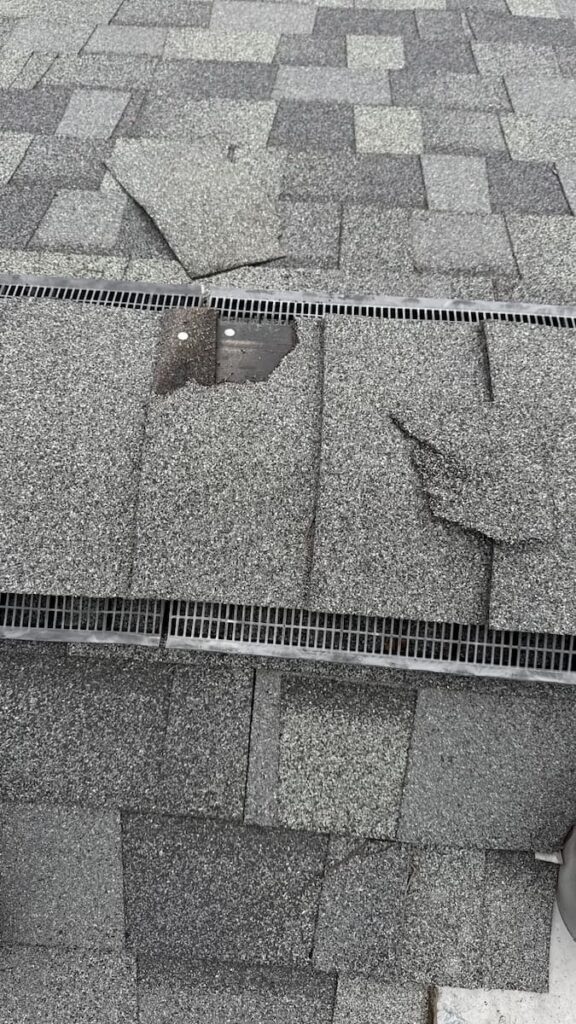
Signs of Animal Activity on Your Roof
Scratching or scurrying sounds in the attic, particularly around dawn and dusk when many of these animals are most active, are often the first sign homeowners notice. Beyond that, visible signs to look for during a walk around your property include gnaw marks around vents or pipe boots, torn or bent fascia and soffit material, gaps or holes at roofline transitions, and nesting material visible at roof vents or under eaves. Interior signs include unusual odors from urine or droppings, water stains that develop after a vent has been damaged and is no longer properly sealed, and visible droppings in the attic if you have access.
How to Fix Animal Damage to a Roof
Fixing animal damage properly involves two separate steps that both need to happen. First, the animal needs to be safely removed and excluded from the space, which for anything beyond minor squirrel activity typically means bringing in a licensed wildlife removal service rather than attempting removal yourself. Second, the roof damage itself needs to be repaired and the entry point permanently sealed in a way that prevents the same or a different animal from getting back in.
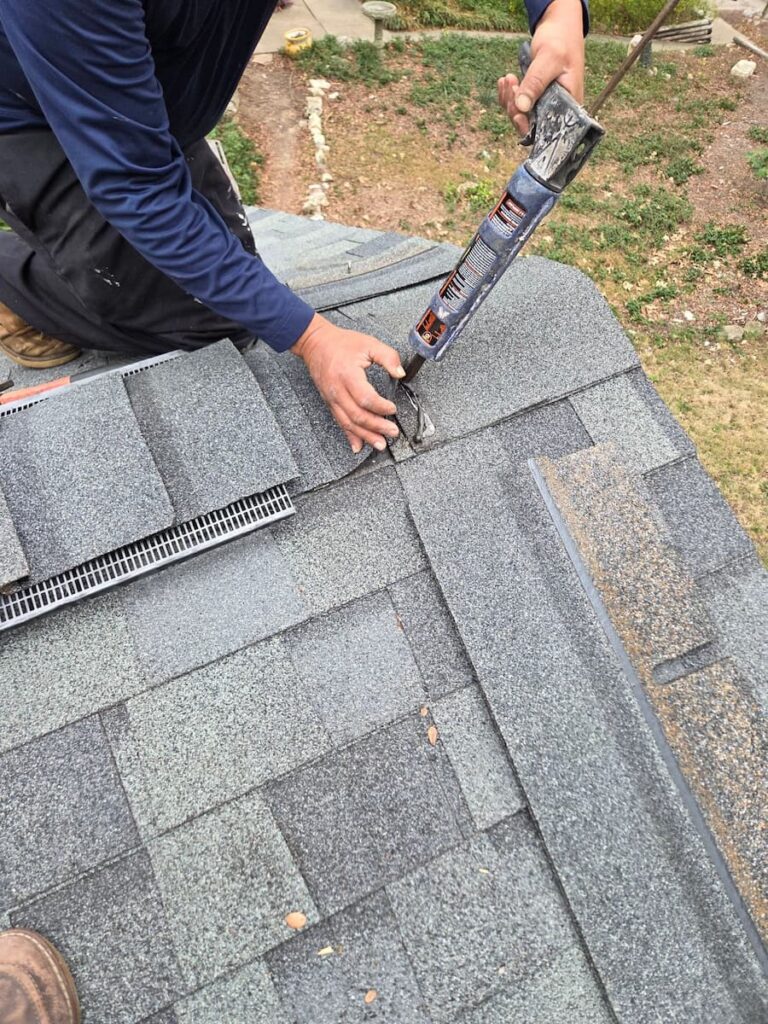
We handle the roofing repair side of this: replacing chewed vent boots and vents, repairing or replacing damaged fascia and soffit material, patching any decking that was compromised, and reinforcing common entry points with animal-resistant materials where appropriate. We do not perform wildlife removal or trapping ourselves and will point you toward a licensed wildlife control service for that part of the process when needed.
Preventing Future Animal Damage
A few practical steps reduce the likelihood of repeat animal activity on an Austin roof. Trimming tree branches back from the roofline removes the easiest access point for squirrels and raccoons. Installing properly fitted, animal-resistant vent covers on soffit and ridge vents prevents the chewing damage that creates most entry points in the first place. Sealing any existing gaps at fascia and roofline transitions during a roof inspection closes off opportunities before an animal finds them. Regular roof inspections, particularly if you have significant tree coverage on your property, catch early signs of activity before it becomes a larger structural repair.
“We see this constantly on older Austin properties with a lot of tree coverage. Homeowners usually notice the noise in the attic before they notice any roof damage, and by the time they call us the entry point has already been there a while. The fix isn’t complicated, but you have to actually seal it properly or you’re just inviting the next animal in through the same spot.”
— Jake Mullin, Owner, RoofsOnly.com
Frequently Asked Questions: Animal Damage to Roofs in Austin TX
What animals commonly damage roofs in Austin?
Squirrels, raccoons, rats, mice, birds, and occasionally bats are the most common sources of animal-related roof damage in Austin. Squirrels are the most frequent cause of chewed vents and entry points, while raccoons tend to cause more significant structural damage to fascia and soffit material.
Why do squirrels chew on roof vents and soffits?
Squirrels chew both to gain entry to attic spaces for shelter and nesting, and because gnawing helps manage their continuously growing teeth. Roof vents, soffit material, and pipe boots are common targets since they’re often easier to chew through than solid decking or fascia.
How do I know if I have an animal in my roof or attic?
Common signs include scratching or scurrying sounds, particularly around dawn and dusk, visible gnaw marks or torn material around vents and soffits, gaps or holes at roofline transitions, nesting material visible at vents, unusual odors, and interior water stains near a damaged vent that’s no longer properly sealed.
Does homeowner’s insurance cover animal damage to a roof?
This varies by policy and carrier. Some policies cover resulting damage, such as a leak caused by an animal-created entry point, while excluding the cost of animal removal itself. Review your specific policy or ask your carrier directly, since coverage for this type of damage is inconsistent across insurers.
Should I remove the animal myself before calling a roofer?
For anything beyond very minor activity, we recommend contacting a licensed wildlife removal service rather than attempting removal yourself. Raccoons and bats in particular can pose health risks, and improper removal attempts can cause additional damage or leave the animal or its young trapped in the structure. We handle the roofing repair and entry point sealing once the animal has been safely removed.
How can I prevent animals from damaging my roof in the future?
Trimming tree branches back from the roofline, installing properly fitted animal-resistant vent covers, sealing existing gaps at fascia and roofline transitions, and scheduling regular roof inspections are the most effective prevention steps, particularly for properties with significant tree coverage.
Does RoofsOnly.com repair animal damage to roofs?
Yes. We repair chewed vents and vent boots, damaged fascia and soffit material, compromised decking, and reinforce common entry points to help prevent repeat activity. We do not perform wildlife removal or trapping and will direct you to a licensed wildlife control service for that portion of the process when needed.
Get a Free Roof Inspection in Austin
If you suspect animal activity in your roof or attic, or you’ve found visible damage, we’ll inspect the full roof, identify every entry point, and give you a clear plan to repair the damage and seal it properly.
Call (512) 746-7090 or schedule your free inspection online.