
What is “Ordinance or Law” coverage and why it matters for an older Austin roof

If your Austin home has an older roof and you’re filing an insurance claim for storm damage, there’s a policy provision worth understanding before you talk to your adjuster: ordinance or law coverage. This is a specific type of coverage that can help pay for bringing your roofing system up to current building code during a replacement, separate from the payout for the actual storm damage itself.
Not every policy includes it, and the amount of coverage varies significantly when it does. This post explains what ordinance or law coverage actually covers, why it matters more for older homes, and how to find out whether you have it before your claim moves forward.
This is general insurance information, not a description of any specific policy. Every carrier and policy is different. Confirm your own coverage with your agent or declarations page before making any decisions based on this post. Call (512) 746-7090 or read our full insurance claim process guide if you have questions about your specific situation.
“This is one of the most overlooked parts of a homeowner’s policy. Most people have never heard of it until they need it, and by then it’s too late to add it. If your home is older, it’s worth a five-minute call to your agent just to find out whether you have it and how much.”
— Jake Mullin, Owner, RoofsOnly.com
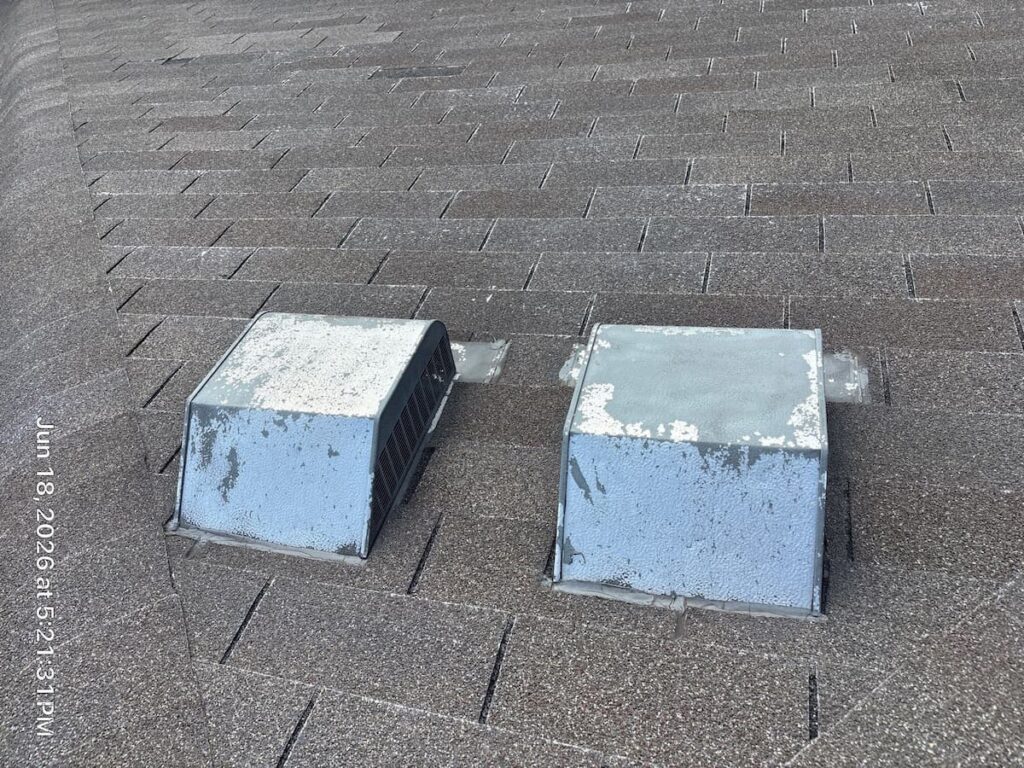
What Does Ordinance or Law Coverage Actually Pay For?
Building codes change over time. A roof installed in Austin 20 or 30 years ago was built to the code requirements in effect at that time, not to today’s standards. When that roof needs to be replaced, whether from age or storm damage, current code may require upgrades that weren’t part of the original construction: additional decking fasteners, updated underlayment specifications, new ventilation requirements, or other changes depending on how much code has shifted since the home was built.
A standard homeowner’s policy typically pays to repair or replace what was damaged, restoring the roof to its prior condition. It does not automatically pay for code-required upgrades that go beyond that restoration. Ordinance or law coverage is the specific provision that closes that gap, covering the additional cost of bringing the rebuilt or repaired portion of your home up to current code.
This coverage is most relevant in a total loss or major damage scenario, where a large enough portion of the roof or structure is being rebuilt that code triggers apply. A minor, isolated repair is less likely to trigger the kind of code review that makes this coverage relevant.
Why This Matters More for Older Austin Homes
Austin’s housing stock spans a wide range of construction eras, and homes built decades ago are the ones most likely to have a meaningful gap between original construction standards and current code. If a hailstorm causes major damage to a roof on a home built in the 1970s or 1980s, the replacement may trigger code requirements that didn’t exist when the home was originally built.
Without ordinance or law coverage, or with an inadequate amount of it, the homeowner can be left covering that gap out of pocket, on top of the deductible. This is a real financial exposure that many homeowners with older properties don’t discover until they’re already in the middle of a claim.
How Much Coverage Is Typical?
When a policy includes ordinance or law coverage, it’s usually expressed as a percentage of the dwelling coverage limit, commonly in a range of 10 to 25 percent depending on the carrier and policy. Some policies include a baseline amount automatically. Others require it to be added as an endorsement for an additional premium. Some homeowners have none at all.
The only way to know what applies to your specific policy is to check your declarations page directly or ask your agent. We are not in a position to tell you what your policy includes, since it varies by carrier, state, and the specific policy you purchased.

How to Check Whether You Have This Coverage
Your declarations page, the summary document your carrier sends when your policy renews, typically lists ordinance or law coverage as a line item if it’s included, often labeled “Ordinance or Law” or sometimes “Law and Ordinance.” If you don’t see it listed and aren’t sure, calling your agent directly and asking “do I have ordinance or law coverage, and if so, what’s the limit” is the most reliable way to get a clear answer.
This is worth checking before you have a claim, not during one. If you find out you don’t have it, or the limit is low, you can talk to your agent about adding or increasing it for future protection. Once you’re in the middle of an active claim, it’s too late to change your coverage for that specific loss.
How This Connects to a Roof Replacement Claim
If your roof is being replaced under an insurance claim and code-required upgrades come up during the process, this is exactly the kind of situation where ordinance or law coverage becomes relevant. We flag potential code triggers during our inspection and documentation process, and if we believe your specific job may involve code-required upgrades beyond a like-for-like replacement, we’ll tell you so you can raise it with your carrier early rather than discovering it as a surprise cost later.
We are not able to tell you whether your policy will cover a specific upgrade. That determination comes from your carrier based on your specific policy. What we can do is document the condition of your roof accurately and flag anything that looks like it may trigger a code-related cost, so you’re not caught off guard.
This is a different topic from whether a permit is required for your replacement, which we’ve covered separately. See our guide on roof replacement permit requirements across our service area if you’re trying to understand both pieces together. Permits and code compliance are related but not the same thing, and ordinance or law coverage can be relevant even in cities that don’t require a permit for a standard replacement.
What to Ask Your Insurance Agent Before a Claim
A short list worth going through with your agent, especially if your home is more than 20 years old: Do I have ordinance or law coverage? What is the dollar limit or percentage on my policy? Does it apply to the whole structure or just specific components? Is it a standard part of my policy or an added endorsement? What would trigger this coverage on a roof claim specifically?
Getting clear answers to these questions before a storm hits puts you in a much stronger position than trying to figure it out for the first time while you’re already dealing with damage.
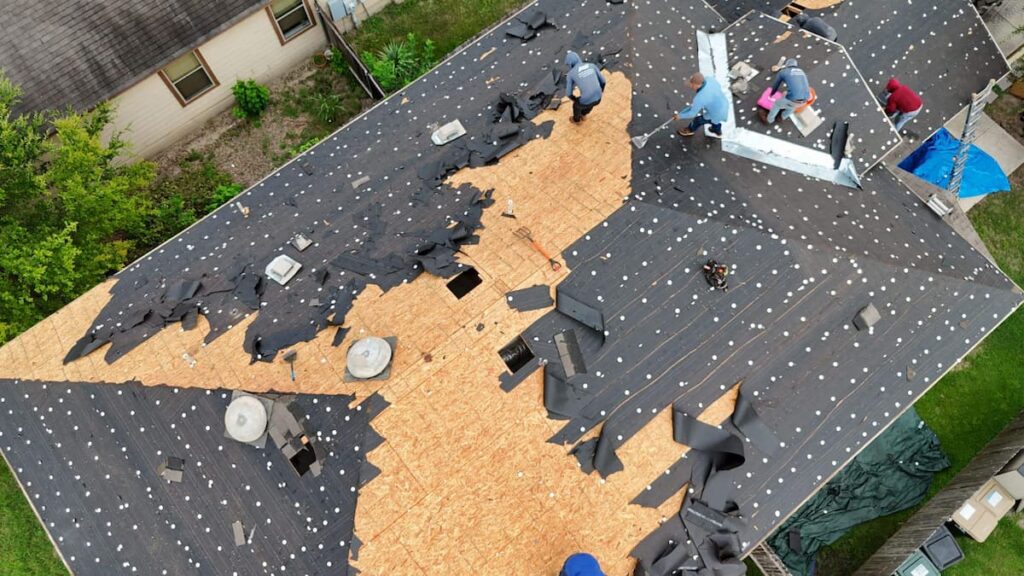
Frequently Asked Questions: Ordinance or Law Coverage
What is ordinance or law coverage on a homeowner’s insurance policy?
Ordinance or law coverage is a policy provision that helps pay for the additional cost of bringing a damaged structure up to current building code during a repair or replacement, beyond what it would cost to simply restore the structure to its prior condition. It’s most relevant on older homes where code has changed significantly since original construction.
Do all homeowner’s insurance policies include ordinance or law coverage?
No. Some policies include a baseline amount automatically, some require it to be added as a separate endorsement for an additional premium, and some don’t include it at all. Coverage varies significantly by carrier and policy, so you need to check your specific declarations page or ask your agent directly.
How much ordinance or law coverage do I need?
This depends on the age of your home and the likelihood that a major repair would trigger significant code-related upgrades. Older homes generally carry more exposure to this gap. A common range for this coverage, when included, is 10 to 25 percent of the dwelling coverage limit, but this varies by policy and isn’t something we can tell you specifically without seeing your declarations page.
Does ordinance or law coverage apply to a roof replacement?
It can, if the replacement is significant enough to trigger current code requirements that didn’t exist when the roof was originally built. Whether it applies to your specific situation depends on your policy and the scope of code-required work, which is a determination made by your carrier.
How do I find out if my policy includes ordinance or law coverage?
Check your insurance declarations page, the summary document your carrier provides at each renewal, for a line item labeled “Ordinance or Law” or “Law and Ordinance.” If you can’t find it or aren’t sure, call your insurance agent directly and ask.
Is ordinance or law coverage the same as a permit requirement?
No, these are two separate things. A permit is a municipal requirement to have work inspected and approved by your local building department. Ordinance or law coverage is an insurance provision that helps pay for code-related upgrade costs. A city can require a permit without any insurance implication, and ordinance or law coverage can be relevant even in cities that don’t require a permit for a standard roof replacement. See our guide on roof replacement permit requirements for the permit side of this topic.
Can RoofsOnly.com tell me if my policy includes ordinance or law coverage?
No. We don’t have access to your policy and can’t tell you what your specific coverage includes. What we can do is document your roof’s condition accurately, flag anything during our inspection that looks like it may trigger code-related costs, and support your claim documentation. The coverage determination itself comes from your insurance carrier.
Questions About Your Roof Replacement or Insurance Claim?
We help Austin-area homeowners navigate the full insurance claim process, from documentation through the adjuster meeting. If you’re not sure how a code-related issue might affect your specific claim, we’re happy to walk through what we see during a free inspection.
Call (512) 746-7090 or schedule your free inspection online. Read our full insurance claim process guide for more detail on how we support Austin-area homeowners through a claim.