
How Radiant Barrier and Attic Ventilation Lower Austin Energy Bills in Summer Heat

Your attic hits 150 degrees in an Austin July. That heat sits directly under your living space and pushes your AC to run longer, harder, and more often than it should. Two roof-level fixes change that math.
Radiant barrier and attic ventilation solve different parts of the same problem. One blocks heat from radiating down into the attic in the first place. The other moves the heat that does build up back out before it soaks into your insulation and ceiling. Most Austin homes benefit from both, but they’re not the same fix, and knowing which one your house is missing matters before you spend money on either.

What Radiant Barrier Actually Does
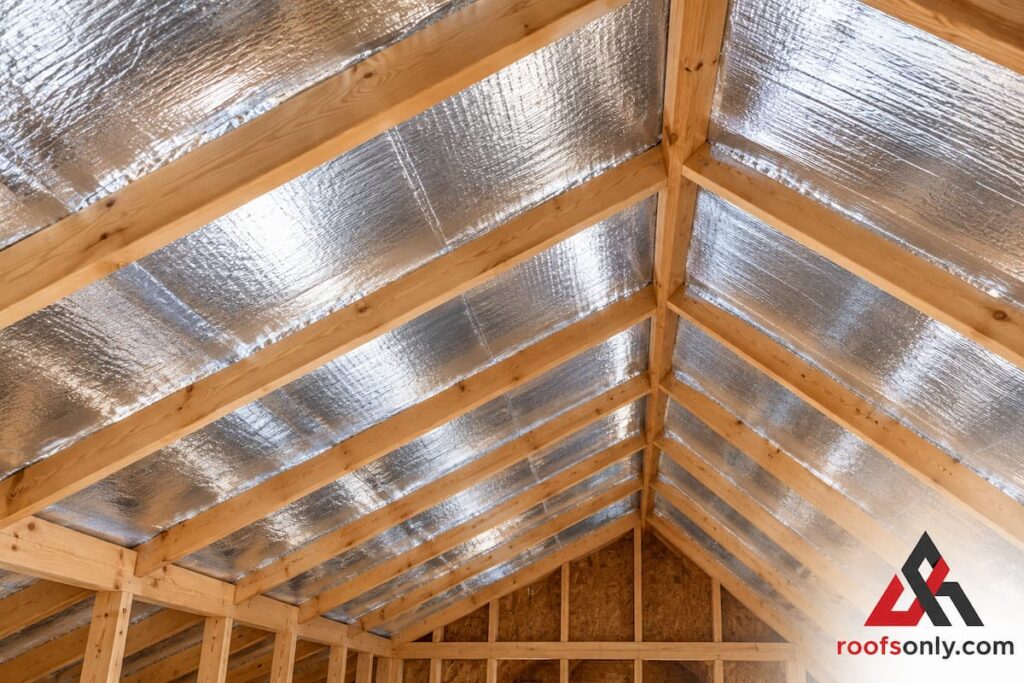
A radiant barrier is a reflective material installed under your roof deck or across your attic floor. It doesn’t block heat conduction the way insulation does. It blocks radiant heat, the kind that transfers directly from a hot roof surface into the attic space below it. In direct Texas sun, a roof surface can hit 150 to 160 degrees. Without a radiant barrier, a meaningful share of that heat radiates straight down into the attic.
Radiant barrier works best in attics that get direct, sustained sun exposure, which describes most Austin rooflines for a large part of the day from spring through early fall.
What Attic Ventilation Actually Does
Ventilation doesn’t block heat from entering the attic. It gives the heat that does build up a way out. A properly balanced system pulls cooler outside air in through soffit vents at the eaves and pushes hot attic air out through ridge vents or powered exhaust fans at the roofline. Without that airflow, heat has nowhere to go, and it sits against your insulation and ceiling drywall for hours after the sun goes down.
A common problem on older Austin homes: intake and exhaust vents exist, but not in the right ratio. A house with plenty of ridge venting and blocked or undersized soffit vents still traps heat, since exhaust vents need intake air to actually pull from.
Signs Your Attic Isn’t Handling Summer Heat
- Upstairs rooms stay noticeably hotter than the rest of the house, even with the AC running
- Your AC cycles constantly from May through September and struggles to hold a set temperature
- The attic is noticeably hot to the touch near the roof deck even in early morning
- Your summer Austin Energy bill runs high relative to homes of a similar size nearby
Which Fix Your House Needs
A house with good ventilation but no radiant barrier still lets heat radiate straight down before the airflow can carry it back out. A house with radiant barrier but poor ventilation still traps whatever heat does get through, along with humidity that has nowhere to escape. Most Austin homes see the biggest improvement from addressing both together rather than picking one. A roof-level inspection is the only reliable way to know what your attic currently has and what it’s missing.
“The houses that surprise homeowners the most are the ones with plenty of vents already installed that still run hot upstairs. Nobody checks whether the intake and exhaust actually balance out. We climb up, look at both sides of the system, and tell you which half is actually doing its job.”
— Jake Mullin, Owner, RoofsOnly.com

Find Out What Your Attic Is Missing
RoofsOnly inspects your roof and attic together, checks your current ventilation balance, and tells you honestly whether radiant barrier, added ventilation, or both would actually lower your summer bills. No guessing, no upsell on a fix you don’t need.
Schedule a Free Roof and Attic Ventilation Assessment
Schedule Your Assessment