
Top Roofing Materials for Durability: A Comprehensive Guide


Top Roofing Materials for Durability: A Comprehensive Guide for Texas Homeowners and Commercial Properties
Choosing the right roofing material is crucial for homeowners and businesses in Texas, where the climate can be harsh and unpredictable. This comprehensive guide will explore the top roofing materials known for their durability, helping you make an informed decision. Understanding the characteristics of these materials can save you time and money in the long run, ensuring your roof withstands the elements. In this article, we will cover various roofing options, factors affecting durability, maintenance practices, and why RoofsOnly.com is a trusted provider for roofing solutions in Texas.
About the Author: Roofing Experts at RoofsOnly.com
Based in Texas with over 25 years of dedicated experience, the roofing professionals at RoofsOnly.com bring unparalleled expertise in residential and commercial roofing tailored to the unique challenges of the Texas climate. Our team holds certifications from leading industry organizations and stays current with Texas Building Code requirements, including wind speed ratings and energy efficiency standards. We have firsthand knowledge of the impact of hail, high winds, extreme heat, and coastal saltwater corrosion on roofing materials. In our experience serving thousands of Texas homeowners and businesses, we provide expert guidance to ensure your roofing investment offers maximum durability and long-term value.
What Factors Determine Roof Durability in the Texas Climate?
The durability of roofing materials in Texas is influenced by several critical factors unique to the state’s diverse climate zones.
- Weather Conditions: The intense heat, UV exposure, hailstorms, and high winds in Texas require roofing materials that can withstand extreme climates. Texas leads the nation in hail damage claims, with over 50,000 claims annually, making impact resistance a top priority. Coastal areas face hurricane-force winds exceeding 130 mph and saltwater corrosion risks, while inland regions contend with thermal expansion from 100°+ summer temperatures and freeze-thaw cycles in North Texas.
- Material Choice: Energy-efficient materials with reflective coatings or lighter colors help reduce heat absorption and cooling costs, which can be significant given Texas’s high summer temperatures. For example, reflective metal roofs can reduce attic temperatures by up to 30°F, lowering energy bills by 15-20%. Impact-resistant materials are essential for protection against hail damage, especially in hail-prone regions like North Texas and the Dallas-Fort Worth area.
- Installation Quality: Professional and high-quality installation can reduce potential errors and extend the roof’s lifespan by up to 20%. Texas Building Code requirements mandate specific wind speed ratings by zone, so proper fastening and materials meeting these standards are critical. Professional roofers recommend always hiring licensed contractors familiar with these codes and local climate challenges.
- Maintenance: Regular maintenance and inspections can identify and address potential issues before they become major problems. In humid areas like Houston, algae and moss growth can degrade roofing materials, while dry West Texas requires attention to thermal cracking. A biannual inspection schedule is recommended to catch early signs of wear.
- Environmental Factors: Extreme temperatures, heavy rainfall, storms, and regional challenges such as saltwater corrosion on the coast and freeze-thaw cycles in North Texas can cause wear and tear on roofs, affecting their durability over time. For instance, saltwater corrosion can reduce metal roof lifespan by up to 15% if not properly coated.
These factors collectively influence the longevity and effectiveness of roofing in Texas.
How Does Texas Weather Impact Roofing Material Longevity?
Texas weather significantly impacts roofing material longevity due to extreme conditions such as high temperatures, heavy rainfall, high winds, and severe storms. In Austin, for example, the intense sun can cause asphalt shingles to fade, curl, and lose flexibility within 10-15 years, while heavy rain can lead to water damage if drainage is inadequate. High winds can lift shingles, exposing homes to further damage, and hail can create dents or cracks in roofing materials. Coastal regions must also consider hurricane-force winds and saltwater corrosion, which can accelerate material degradation. Therefore, selecting durable, impact-resistant materials and maintaining them regularly is crucial for extending the lifespan of roofs in Texas.
Further research emphasizes how local environmental factors, including climate and air pollution, are critical in determining the long-term durability of roofing materials.
Local Climate & Pollution’s Impact on Roof Durability
The durability of roofing materials is greatly influenced by local climate and air pollution conditions. Service life predictions of these materials
An approach to the selection of roofing materials for durability, 1992
What Maintenance Practices Extend Roof Lifespan in Texas?
Maintenance practices that extend roof lifespan in Texas include:
- Regular Roof Checkups: Visually inspect the roof for missing, cracked, or curling shingles and structural damage, especially after hailstorms or high winds common in Texas. Experts recommend inspections at least twice a year, ideally in spring and fall.
- Preventative Roof Care: Cleaning Gutters: Regularly clean gutters to prevent water overflow that can damage the roof deck and fascia boards, particularly important during Texas’s heavy rain seasons. Clogged gutters can lead to water pooling and wood rot within months.Trimming Trees: Keep trees trimmed to prevent branches from damaging the roof and to reduce debris accumulation that can foster algae growth in humid regions like Houston.
- Professional Installation: Ensure high-quality installation by hiring qualified, licensed roofing contractors familiar with Texas Building Code requirements, including wind speed ratings that vary by region. Installation errors can reduce roof lifespan by up to 30%.
- Regular Maintenance Schedule: Conduct regular maintenance and inspections to identify and address potential issues early, such as thermal expansion cracks in hot West Texas or freeze-thaw damage in North Texas. A detailed maintenance log helps track repairs and prolong roof life.
- Addressing Ventilation Issues: Ensure adequate ventilation to prevent mildew and mold growth, which can be a concern in humid coastal and eastern Texas areas. Proper attic ventilation can extend roof life by reducing heat buildup and moisture accumulation.
These practices help mitigate damage from Texas weather and prolong the roof’s lifespan.
Which Residential Roofing Materials Offer the Best Durability?
The residential roofing materials that offer the best durability include:
- Slate Roofing – Can last 75 to 100 years or more and is naturally heat and fire-resistant. In Texas, slate roofs have an average lifespan of 80+ years, performing well in both hot and variable climates. Slate costs range from $15 to $30 per square foot installed, with ROI over 50 years exceeding 300% due to minimal maintenance and replacement needs.
- Metal Roofing – Lasts 40 to 70 years, is fire-resistant, and reflects sunlight, making it energy-efficient. Metal roofs in Texas often feature high wind uplift ratings to meet local codes, with some materials lasting up to 50 years in coastal salt air conditions when properly coated. Typical installed costs range from $7 to $12 per square foot. Energy savings and durability can yield an ROI of 150-200% over 30 years.
- Clay and Concrete Tiles – Can last 50 years or more and naturally resist heat. These tiles are popular in South and West Texas for their thermal mass and energy efficiency, helping reduce attic temperatures by up to 20°F. Installation costs average $10 to $20 per square foot. Their longevity and energy savings provide an ROI of approximately 180% over 40 years.
- Synthetic Roofing Materials – Lightweight and impact-resistant, with good durability. Synthetic options are increasingly used in hail-prone areas due to their superior impact resistance and lower insurance premiums. Costs range from $5 to $9 per square foot installed, with a lifespan of 30-50 years. ROI varies but can be favorable due to insurance savings and reduced maintenance.
- Emerging Materials: Cool Roof Coatings and Solar-Integrated Shingles – Cool roof coatings can extend roof life by 10-15 years by reflecting UV rays and reducing thermal stress. Solar shingles, though more expensive upfront ($20-$30 per square foot), offer energy generation benefits that can offset costs within 15-20 years, making them a growing option for eco-conscious homeowners in Austin.
These materials are particularly suitable for the Texas climate due to their longevity and energy efficiency.
What Are the Durability Benefits of Metal Roofing for Homes?
The durability benefits of metal roofing for homes include:
- Longevity: Metal roofs can last between 40 to 70 years, significantly outlasting many other roofing materials. In Texas, average lifespans vary by region, with coastal metal roofs requiring special coatings to resist saltwater corrosion. For example, aluminum roofs in coastal areas can last 50+ years with proper maintenance.
- Weather Resistance: They are highly durable and can withstand extreme weather conditions, including fire, wind, and hail. Many metal roofs meet or exceed Texas wind speed ratings of up to 130 mph in hurricane-prone zones. Impact-resistant metal roofs can reduce hail damage claims by up to 40%.
- Low Maintenance: Metal roofs require minimal maintenance over time, especially compared to other materials, which is beneficial given Texas’s frequent severe weather events. Annual inspections and cleaning are typically sufficient.
- Energy Efficiency: Their reflective properties help reduce cooling costs, which can lead to significant energy savings in Texas summers where air conditioning costs are a major household expense. Light-colored metal roofs can reduce attic temperatures by up to 30%, lowering energy bills by 15-20% annually.
- Sustainability: Many metal roofs are made from high-quality recycled materials, reducing environmental impact. Additionally, metal roofs are 100% recyclable at the end of their lifespan.
Overall, metal roofing provides a robust and long-lasting solution for homeowners.
How Do Tile and Slate Roofing Compare in Longevity and Performance?
Slate roofing typically lasts 75 to 100 years or more, making it one of the longest-lasting roofing options. It is also naturally heat and fire-resistant, which is beneficial in hot climates like Texas. Tile roofs, particularly those made from clay or concrete, can last 50 years or more and provide good energy efficiency through natural insulation and air circulation. Both materials are heavy and require a solid structure to support them. In summary, slate roofs generally offer greater longevity compared to tile roofs, but both are durable and effective choices. In Texas, tile roofs are especially favored in South and coastal regions for their ability to withstand heat and humidity, while slate is more common in North Texas where freeze-thaw cycles occur.
Case Study: A residential property in Austin replaced an aging asphalt roof with slate roofing. Over 20 years, the homeowner reported zero maintenance costs and a 25% reduction in energy bills due to slate’s thermal properties, demonstrating a strong long-term value despite higher initial costs.
What Are the Most Durable Commercial Roofing Materials for Texas Properties?
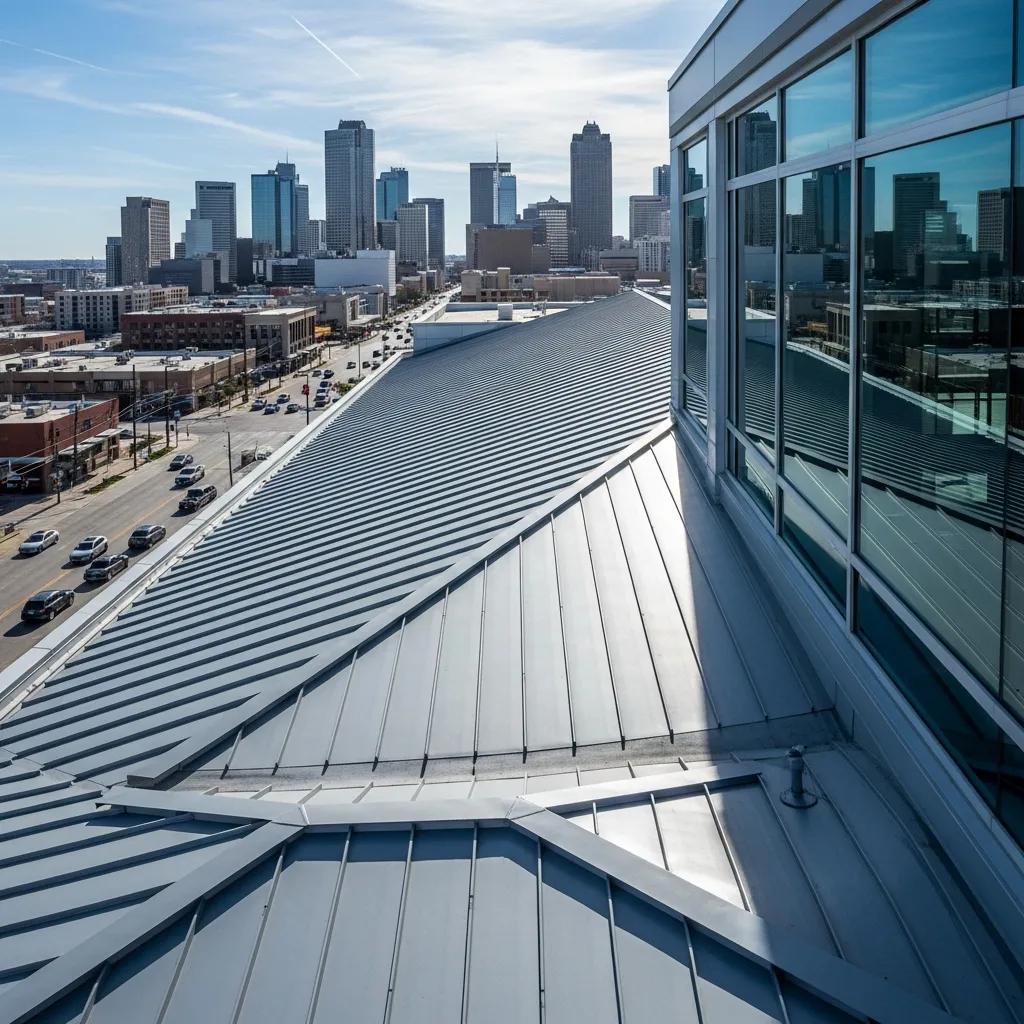
The most durable commercial roofing materials for Texas properties include:
- Metal Roofing – Known for longevity (up to 50 years or more), structural strength, fire resistance, and energy efficiency. Commercial metal roofs in Texas often meet stringent wind uplift ratings required by the Texas Building Code, especially in hurricane-prone coastal zones. Installed costs range from $8 to $15 per square foot, with ROI enhanced by energy savings and reduced maintenance.
- Thermoplastic Olefin (TPO) Roofing – Energy-efficient, lightweight, and resistant to high temperatures and UV rays. TPO is popular in Texas for flat roofs due to its reflective surface, which helps reduce cooling costs in hot climates. Lifespan averages 20-30 years, with costs around $5 to $9 per square foot. Proper installation and maintenance can extend lifespan by 5+ years.
- Ethylene Propylene Diene Monomer (EPDM) – Durable with excellent weather resistance and easy maintenance. EPDM roofs in Texas typically last 20 to 30 years, with performance influenced by regional weather patterns such as humidity and UV exposure. Costs range from $4 to $8 per square foot. EPDM is favored for its cost-effectiveness and ease of repair.
- Polyvinyl Chloride (PVC) – Lightweight, fire-resistant, and energy-efficient due to its reflective surface. PVC roofing is favored in Texas for its durability against hail and wind uplift. Lifespan is 25-30 years, with costs between $6 and $10 per square foot. PVC’s chemical resistance makes it suitable for industrial facilities.
- Built-up Roofing (BUR) – Offers multi-layer protection and excellent insulation, suitable for commercial buildings in Texas’s variable climate. Lifespan is 20-30 years, with installation costs of $7 to $12 per square foot. BUR requires professional installation and regular maintenance.
- Modified Bitumen Roofing – Reinforced for durability, flexible designs, and outstanding waterproofing, making it a good choice for Texas commercial properties facing heavy rain and storms. Lifespan is 20-30 years, with costs similar to BUR. Maintenance includes annual inspections and prompt repairs of seams.
- Emerging Technologies: Spray Polyurethane Foam (SPF) Roofing – SPF roofing offers seamless waterproofing, excellent insulation (R-value up to 6.5 per inch), and can last 30+ years with proper maintenance. Initial costs are higher ($7 to $12 per square foot), but energy savings and reduced repair costs provide strong ROI, especially in Austin’s hot climate.
These materials are designed to withstand Texas’s harsh weather conditions, including heat, hail, and wind.
Field tests have further confirmed the satisfactory performance and durability of EPDM and polyurethane foam (PUF) roofs when installed correctly.
EPDM & PUF Roofing: Field Test Durability Results
The EPDM showed an increase in mechanical properties during the first 6 to 12 months, probably due to completion of the curing process, followed by no significant change in properties for the rest of the test period. There was little consistency to the results of PUF during the same time of exposure. This could happen for several reasons differences among PUF products used, application techniques, and inconsistent atmospheric conditions during application. Test results indicated that both EPDM and PUF, when properly installed, will perform satisfactorily.
Field Test Results of Experimental EPDM (Ethylene Propylene Diene Monomer) and PUF (Polyurethane Foam) Roofing., 1984
How Do Flat Roof Systems Like TPO and EPDM Perform in Texas?
Flat roof systems like TPO and EPDM perform well in Texas, particularly due to their energy efficiency and ability to withstand high temperatures. TPO is lightweight, cost-effective, and resistant to UV rays, making it suitable for the intense Texas sun. EPDM offers durability and excellent weather resistance, with a lifespan of 20 to 30 years. However, proper installation and routine maintenance are crucial to ensure they withstand Texas’s extreme weather conditions. Regional weather patterns, including humidity, UV exposure, and temperature cycles, significantly influence the long-term stability and function of single-ply roofing membranes like TPO, PVC, and EPDM.
Regional Weather Effects on Roofing Membrane Durability
Weather across the different regions in the country can variably influence the performance of roofing membranes, affecting the long-term stability and function of single ply roofing membranes, such as Thermoplastic polyolefin (TPO), Polyvinyl chloride (PVC), and Ethylene-propylene-diene monomer (EPDM). Different weathering factors, such as humidity, salinity, UV exposure, and freezing and thawing cycles, were simulated under lab conditions to mimic diverse weather conditions across the various regions in the United States. Using the different lab conditions, the aging effects can be associated with different regions based on specific weathering patterns. Therefore, a more accurate prediction of roofing performance can be predicted and applied to enhance the choice for appropriate roofing systems and warranty plans in the
Examining regional weather effects on single ply roofing membranes, 2018
What Are the Lifespan and Maintenance Needs of Commercial Metal Roofs?
Commercial metal roofs can offer long-term durability with little maintenance. They are known for their energy efficiency and can last for decades, especially if made from high-quality materials like aluminum, copper, or zinc. Proper upkeep is essential to maximize their lifespan, which can extend to 50 years or more for common metal roofing materials, and up to 100 years or more for premium metals like copper and zinc. However, specific maintenance needs may vary based on the roof’s design, installation quality, and local weather conditions. Coastal Texas roofs require special coatings to prevent saltwater corrosion, while North Texas roofs must be inspected for freeze-thaw damage. A recommended maintenance schedule includes annual inspections, cleaning of debris, and re-coating every 10-15 years in coastal areas.
How Does Cost Influence the Choice of Durable Roofing Materials?
Cost is a significant factor for many businesses when choosing a roofing system. However, it is essential to consider other factors beyond just cost, such as the roofing system’s energy efficiency, durability, and long-term performance. The right roofing material can enhance a building’s longevity and reduce maintenance costs, making it a more cost-effective choice in the long run. Additionally, factors like building structure, weather conditions, lifespan, energy efficiency, and environmental impact also play crucial roles in the decision-making process. In Texas, investing in impact-resistant materials can also lower insurance premiums, especially in hail-prone areas, providing additional financial benefits.
What Is the Cost vs. Long-Term Value of Different Roofing Materials?
Below is a detailed cost and ROI comparison for common roofing materials in Texas, including installation, maintenance, and energy savings over typical lifespans:
This framework helps homeowners and businesses evaluate roofing options based on upfront costs, expected lifespan, maintenance, and energy savings to maximize long-term value.
How Do Energy Efficiency and Insurance Impact Roofing Investment?
Energy efficiency impacts roofing investment by leading to lower utility bills, extending the lifespan of HVAC systems, increasing home value, and potentially qualifying for tax credits or rebates. In Texas, where cooling costs can represent up to 50% of household energy expenses during summer, reflective roofing materials and lighter colors can reduce attic temperatures by up to 30°F, translating into substantial energy savings of 15-20% annually. Insurance considerations are also important, as compliance with local codes and regulations can affect roofing choices and costs. Impact-resistant roofing materials can reduce insurance premiums by 10-25% in hail-prone regions like North Texas and the Dallas-Fort Worth area. However, the specific impact of insurance on roofing investment is not detailed in the provided context.
Why Choose RoofsOnly.com for Durable Roofing Solutions in Texas?
You should choose RoofsOnly.com for durable roofing solutions in Texas because they are a top-ranked roofing company that offers comprehensive roof repair and replacement services. They provide a variety of roofing materials and styles, ensuring that your roof is tailored to withstand the harsh Texas weather. Their team is committed to delivering efficient and affordable services, including inspections, maintenance, and repairs, using high-quality products to ensure long-lasting protection for your home. RoofsOnly.com is well-versed in Texas Building Code requirements, including wind speed ratings and energy efficiency standards, ensuring your roof meets or exceeds local regulations.
What Customer Service and Quality Guarantees Does RoofsOnly.com Offer?
RoofsOnly.com offers customer service and quality guarantees that include:
- Insurance Claim Assistance: They help homeowners navigate the insurance claim process, ensuring accurate reimbursements and proper documentation for roof repairs or replacements, which is especially valuable in Texas where hail damage claims are common.
- Experienced Teams: Their teams work directly with insurance adjusters to maximize coverage and advocate for the homeowner’s best interests.
- Rapid Response: They provide timely damage assessments and immediate action to prevent further deterioration during emergencies, such as after severe Texas storms or hurricanes.
- Comprehensive Damage Assessment: Professional inspections are conducted to identify both visible and potential hidden damage, including issues related to thermal expansion or saltwater corrosion in coastal areas.
- Customer Satisfaction Commitment: They emphasize customer satisfaction and have numerous testimonials reflecting their commitment to fair treatment and proper coverage.
- Free Inspections: RoofsOnly.com offers free inspections and damage assessments with no obligation, promoting transparency in their services.
However, warranties come with limitations and exclusions, which homeowners should understand to maintain validity, especially considering Texas’s extreme heat and UV exposure that can affect material performance.
How Does RoofsOnly.com Support Veterans and Handle Insurance Claims?
RoofsOnly.com supports veterans by providing assistance with insurance claims during roof replacements. They guide homeowners through the claim process, ensuring accurate reimbursements and helping with documentation, including pre-claim inspections and participation during insurance adjuster assessments. Their experienced teams work directly with insurance adjusters to maximize coverage and advocate for the best interests of their clients. Additionally, they utilize advanced technology for thorough damage documentation, which aids in successful claim resolutions.
What Are the Frequently Asked Questions About Durable Roofing Materials?
What Is the Most Durable Roofing Material for Texas Weather?
The most durable roofing materials for Texas weather include metal roofing, tile roofing (clay and concrete), and slate roofing. Metal roofs can last 40 to 70 years and are resistant to hail and high winds. Tile roofs can last 50 years or more and naturally resist heat. Slate roofs are extremely durable, lasting 75 to 100 years or more, and are also heat and fire-resistant. In Texas, metal roofs with high wind uplift ratings and impact resistance are especially recommended for hail-prone and coastal areas.
How Long Do Commercial Roofing Materials Typically Last in Texas?
In Texas, commercial roofing materials typically last as follows: asphalt shingles last about 15 to 30 years, metal roofing lasts 40 to 70 years, clay and concrete tiles can last 50 years or more, and slate roofs can last 75 to 100 years or more. Regular maintenance is essential to maximize the lifespan of these materials. Coastal regions require additional maintenance to combat saltwater corrosion, while North Texas roofs should be monitored for freeze-thaw damage.
Comprehensive Comparison of Roofing Materials for Texas
Authoritative Resources and Further Reading
- National Roofing Contractors Association (NRCA) – Industry standards and best practices for roofing.
- International Building Code (IBC) 2021 – Governing building and roofing codes applicable in Texas.
- Energy Star Roofing Guidelines – Energy efficiency standards for roofing materials.
- Texas Department of Licensing and Regulation (TDLR) Roofing Codes – Specific Texas roofing regulations and licensing requirements.
- Manufacturer Specifications (GAF Roofing) – Detailed product information and warranties.
For more information on our services, visit our pages on roof repair services, roof inspection, commercial roofing, and residential roofing.
