Understanding the Impact of Texas Weather on Roofing Materials
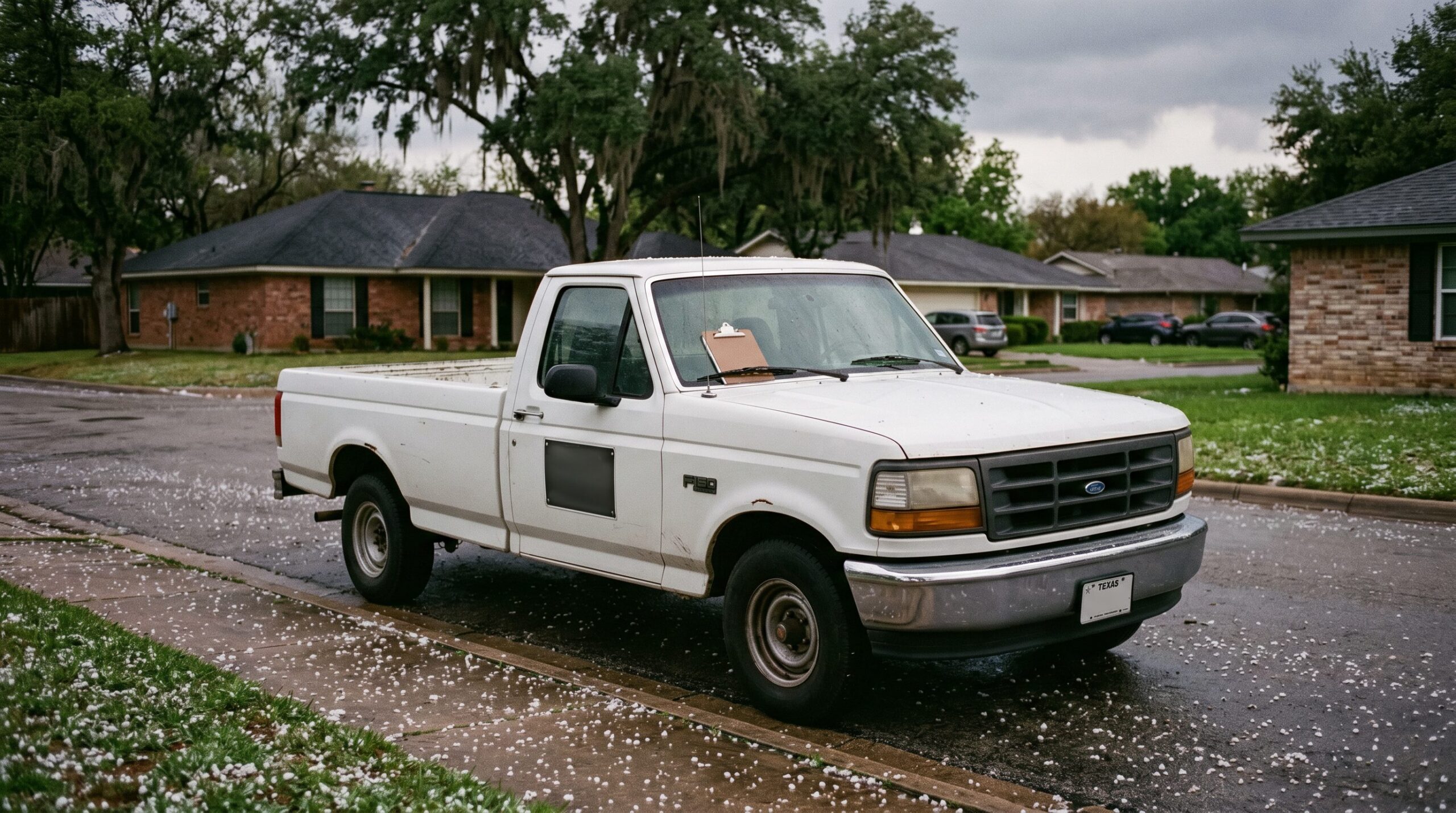
The extreme weather conditions in Texas, including intense heat, heavy rains, and occasional hailstorms, can significantly affect the longevity and performance of roofing materials. Homeowners should be aware of how these factors can lead to premature wear and tear on their roofs, necessitating timely inspections and maintenance.
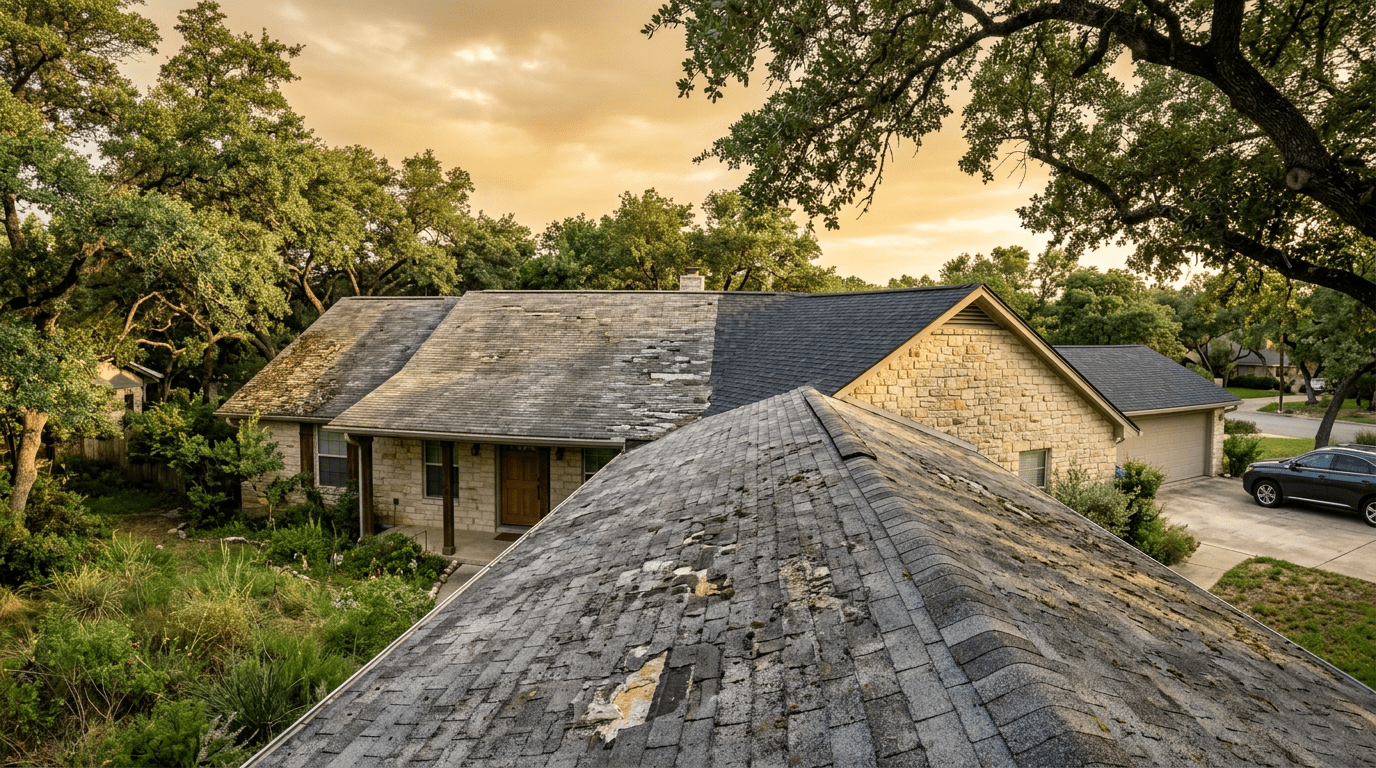
For instance, asphalt shingles can become brittle and crack under prolonged exposure to high temperatures, while excessive moisture can lead to mold and mildew growth. It’s crucial for homeowners to choose roofing materials that are specifically designed to withstand Texas weather, such as impact-resistant shingles or reflective roof coatings that help reduce heat absorption.
Essential Roof Maintenance Tips for Texas Homeowners
Regular roof maintenance is vital for extending the life of your roof and preventing costly repairs. Texas homeowners should establish a routine inspection schedule, ideally twice a year, to catch potential issues early before they escalate into major problems.
During these inspections, look for signs of damage such as loose shingles, rusted flashing, or clogged gutters. Additionally, trimming overhanging branches can prevent debris buildup and reduce the risk of roof damage during storms. Keeping your roof clean and well-maintained not only enhances its lifespan but also improves the overall aesthetic of your home.
Choosing the Right Roofing Material for Your Texas Home
Selecting the appropriate roofing material is crucial for ensuring your home can withstand the unique challenges posed by the Texas climate. Factors such as durability, energy efficiency, and aesthetic appeal should all be considered when making your choice.
Popular options for Texas homes include metal roofs, which are highly durable and energy-efficient, and tile roofs, known for their longevity and ability to reflect heat. Additionally, homeowners should consider the initial cost versus long-term savings, as investing in higher-quality materials can result in lower maintenance costs and energy bills over time.
Signs Your Roof Needs Repair or Replacement
Recognizing the signs that your roof may need repair or replacement is essential for maintaining the integrity of your home. Common indicators include water stains on ceilings or walls, missing or damaged shingles, and increased energy bills due to poor insulation.
If you notice any of these signs, it's important to act quickly. Delaying repairs can lead to more extensive damage and higher costs down the line. Consulting with a professional roofing contractor can provide you with a thorough assessment and guide you on the best course of action for your specific situation.